


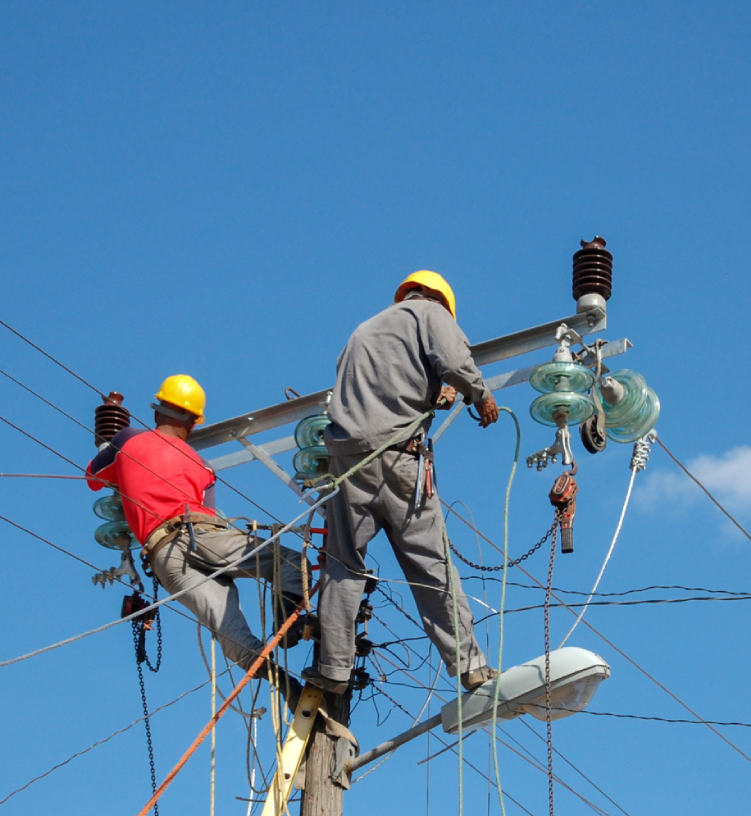
Pole networks are carrying more equipment, communication attachments, and operational demands than ever before. Moldtek supports US utilities, electric cooperatives, municipalities and attachers with pole loading analysis, joint-use and make-ready engineering, pole design, foundation support and construction documentation. Our teams work within client standards, data formats and delivery workflows to help move pole programs from backlog to scheduled production.
Delivering engineering services since 2001 · Backed by a dedicated team of more than 100 utility and infrastructure engineering professionals · ISO 9001, ISO 14001 and ISO 45001 certified · Listed on the Bombay Stock Exchange (2008) and National Stock Exchange (2016)
When a pole fails an NESC strength check, someone has to catch it before the weather does. We model each structure with its full attachment set, apply the loading district and construction grade for its location, and report pass or fail with a remediation path: guying, reinforcement, or replacement. Batches come back as clean per-pole reports your standards engineers can approve quickly, with calculation files retained for audit.
We design and detail wood, tubular steel, spun concrete, and composite poles for new lines, rebuilds, and one-off replacements. Deliverables include framing drawings built to your construction units, material specifications, bills of material, and structure spotting along the alignment. Drawings are developed to reduce field interpretation and clarification requests.
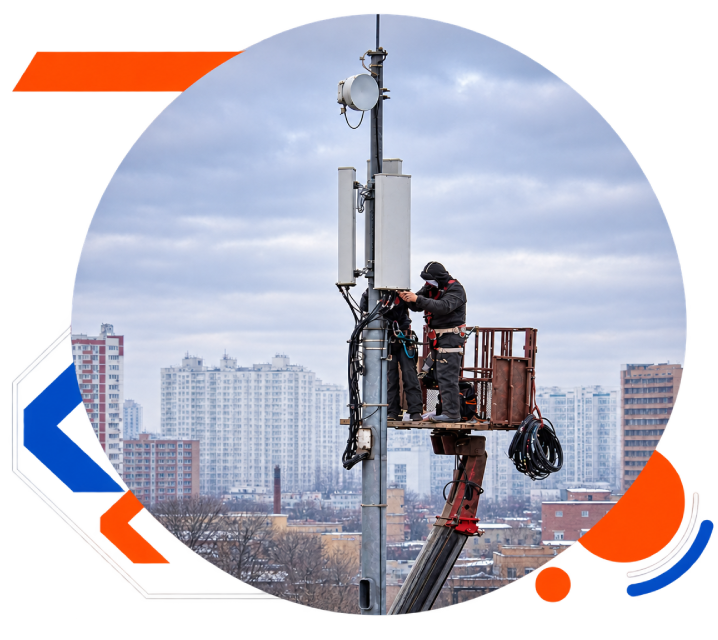
Small-cell and fiber attachments on existing utility poles are handled through our utility pole engineering and make-ready services. Fiber and small-cell programs stall in the attachment queue, not in construction. Our joint-use team processes attachment requests, runs clearance and separation checks, and produces make-ready designs with permit-ready documentation. The work helps reduce attachment approval delays and gives pole owners traceable engineering records that support reviews, audits, and dispute resolution.

We evaluate direct-embedment requirements using available geotechnical information, pole geometry, loading criteria, and client standards. For engineered steel poles, foundation designs may include drilled piers, guying and anchor arrangements based on the available project and soil data. Where geotechnical information is unavailable, assumptions and limitations are clearly identified in the deliverables.


Beyond single structures, we support plan-and-profile development, staking sheets, sag and tension checks, and material take-offs for distribution line design projects. Teams work as an extension of your engineering department, inside your standards and your file formats.
Utilities in hurricane- and storm-prone regions continue to undertake large-scale pole replacement and grid-hardening programs, and attachment volumes keep climbing. If the structure is a pole on a distribution or applicable sub-transmission network, the project fits here:
 New distribution line construction: structure design, spotting and staking for new feeders
Pole replacement, rebuild and hardening programs: ranked designs from inspection and loading data
Storm restoration engineering: fast-turn replacement designs after weather events
Joint-use attachment projects: clearance checks and make-ready for new attachers
Fiber rollout programs: batch make-ready engineering across whole routes
Utility relocation: pole line redesign for road widening and DOT projects
Grid modernization and capacity upgrades: structure checks for reconductoring, automation, and heavier equipment

Pole loading reports: per-structure pass/fail with a remediation path
Construction documentation: framing drawings, issued-for-construction packages and engineering markups
Make-ready packages with attachment designs
Permit documentation
Guying and anchor details
Foundation calculations: embedment checks and drilled pier designs
Bills of material and material take-offs
Structure spotting along the alignment
As-built revisions and redlines

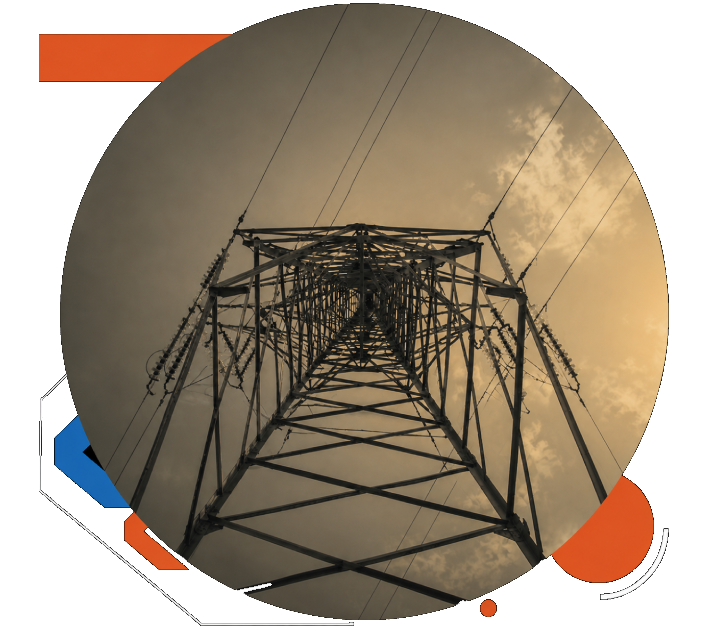
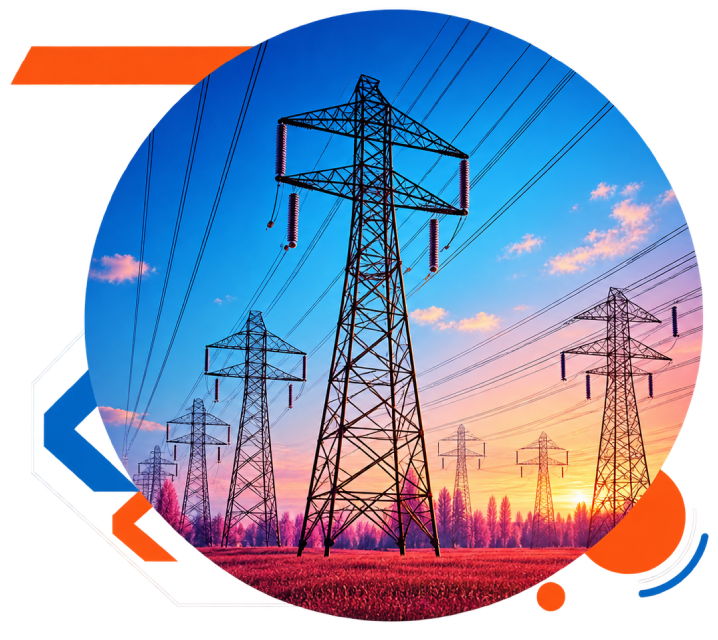
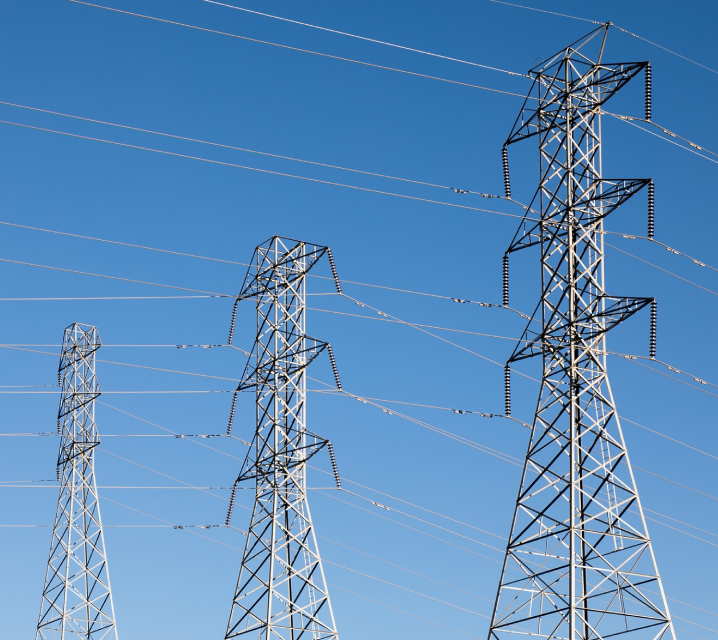
This service covers single-shaft wood, steel, concrete and composite pole structures used in distribution and applicable sub-transmission systems. Lattice towers, transmission monopoles, gantries and substation structures are handled by our power transmission tower engineering services. Telecom masts, rooftop sites and cell tower structures are handled by our telecom tower structural design services.
Pole work is produced to NESC, ANSI, IEEE and NEC requirements plus each client’s own utility construction standards, under a quality system certified to ISO 9001, ISO 14001 and ISO 45001. Drawing production runs in AutoCAD, Revit and Bentley OpenPlant; review and markup in Navisworks and Bluebeam. ETAP and SKM support electrical studies, MS Project handles program scheduling, Power BI carries reporting dashboards, and SharePoint manages document control. If your program runs on a specific pole analysis platform, ask; teams train to client toolchains during pilot calibration.
1. Share your data: GIS extracts, field collection files, inspection reports, or attachment requests in the formats your systems export.
2. Pilot batch: we calibrate to your loading criteria, framing units, and drawing standards on 25 to 50 structures.
3. Production at scale: an agreed weekly throughput with QC gates, progress tracked through agreed reporting dashboards.
4. Delivery: reports, drawings, and redlines returned in agreed client-compatible formats.
Share your project scope, data format and expected volumes with our team. We can recommend the right delivery model, pilot structure and next steps based on your requirements.
 Copyrights 2026 Moldtek Technologies.
Copyrights 2026 Moldtek Technologies.
Copyrights 2026 Moldtek Technologies.