
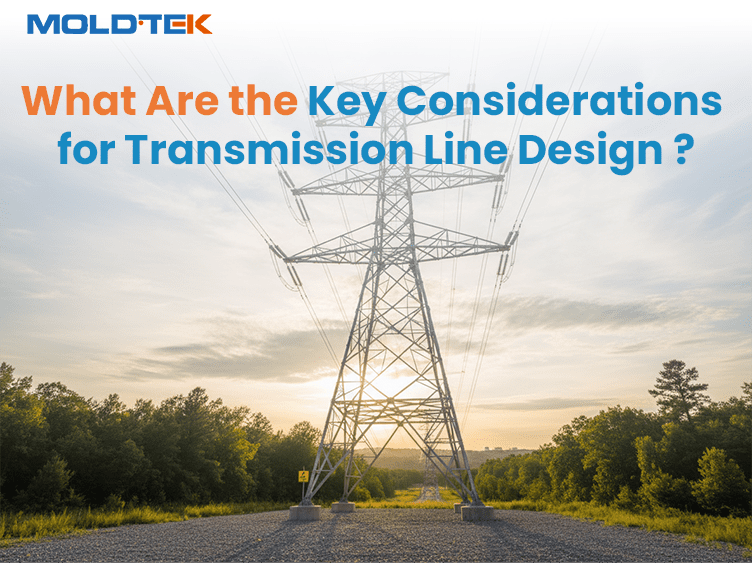
Transmission line design is a multidisciplinary engineering process that balances electrical performance, mechanical integrity, safety, environmental responsibility, and cost efficiency. A well-designed transmission line must reliably transmit high-voltage power under varying operating and environmental conditions while complying with regulatory standards and minimizing long-term operational risks.
From an engineering standpoint, transmission line design considerations are broadly grouped into electrical performance, mechanical and structural behavior, safety and regulatory compliance, environmental and routing factors, and constructability and lifecycle cost, all of which influence final tower designs and line configuration.
Electrical and Performance Considerations
Voltage Level and Load Requirements
The operating voltage level, especially for high voltage transmission systems, and expected power load are foundational inputs in transmission line design. These parameters directly influence conductor selection, insulation requirements, and electrical clearances.
Key impacts include:
- Conductor size and current-carrying capacity
- Electrical losses and efficiency at high voltage levels
- Required phase-to-phase and phase-to-ground clearances
Higher voltage transmission lines demand stricter design controls to ensure safety and long-term performance.
Conductor Selection and Sizing
Choosing the appropriate conductor involves evaluating material type, cross-sectional area, and thermal performance under operating conditions.
Engineering considerations include:
- Electrical conductivity and resistance
- Thermal limits under peak loading
- Sag behavior at elevated operating temperatures
Aluminum-based conductors are commonly used for high voltage lines due to their favorable balance between weight, strength, and electrical efficiency.
Insulation and Electrical Protection
Insulation systems are designed to prevent electrical flashover and ensure reliable operation, particularly in high-voltage transmission environments.
This includes:
- Selection of insulator types based on voltage level and environmental exposure
- Coordination of insulation systems to withstand overvoltages
- Managing electrical stress under pollution, moisture, and weather conditions
Corona and Electrical Discharge Control
At high voltage levels, corona discharge can lead to power loss, noise, and electromagnetic interference. Design measures such as optimized conductor spacing and hardware selection are used to control these effects.
Mechanical and Structural Design Considerations
Transmission Tower and Structure Design
Transmission line structures must support conductors, insulators, and hardware while resisting environmental loads.
Structural design accounts for:
- Wind and ice loading
- Terrain variations and span lengths
- Structural stability and foundation conditions
Lattice steel structures are widely used in transmission line tower designs due to their high strength, modular construction, and adaptability to varying terrain and span requirements.
Sag, Tension, and Mechanical Stability
Sag and tension calculations ensure conductors remain within safe electrical clearances under all loading conditions.
Engineers evaluate:
- Temperature variations affecting sag
- Wind and ice loading scenarios
- Long-term creep and relaxation behavior
Accurate sag–tension analysis is essential for both safety and performance in high voltage transmission systems.
Vibration and Fatigue Control
Transmission lines are subject to wind-induced vibration that can cause fatigue damage over time.
Design strategies include:
- Installation of vibration dampers and spacers
- Controlling oscillation amplitudes
- Extending conductor and hardware service life
These measures are integral to ensuring long-term reliability of transmission tower designs.
Safety and Regulatory Requirements
Electrical Clearances and Public Safety
Transmission lines must maintain prescribed clearances from ground level, roads, buildings, and other infrastructure, especially for high voltage systems.
Clearance requirements are governed by national and regional regulations and vary by voltage class and terrain.
Right-of-Way (ROW) Management
Securing and managing the right-of-way is a critical part of transmission line design.
Key considerations include:
- Corridor width requirements
- Vegetation management
- Access for inspection and maintenance
Effective ROW planning supports safety, environmental protection, and long-term operability.
Regulatory and Proximity Constraints
Transmission line routes must comply with restrictions related to sensitive locations such as airports, defense installations, and populated zones. These constraints directly influence routing decisions and final tower designs.
Environmental and Routing Considerations
Route Selection and Environmental Impact
Selecting an optimal route helps minimize environmental disruption and project risk.
Engineers aim to:
- Avoid forests, wetlands, and protected habitats
- Minimize land acquisition challenges
- Reduce construction complexity
Environmental considerations influence structure spacing, foundation type, and tower designs.
Co-Location and Corridor Optimization
Where feasible, transmission lines are routed alongside existing infrastructure corridors to reduce environmental footprint and improve land-use efficiency.
Visual and Community Impact
Design decisions may also consider visual impact, particularly near residential or scenic areas. The use of optimized lattice steel tower designs can help balance structural performance with aesthetic considerations.
Constructability, Cost, and Reliability
Constructability and Access
Transmission lines must be designed with construction and maintenance access in mind.
Considerations include:
- Terrain accessibility
- Proximity to roads and staging areas
- Feasibility of equipment movement and erection
Cost and Lifecycle Efficiency
Design decisions balance initial capital costs with long-term operational and maintenance expenses.
This includes:
- Material selection such as lattice steel
- Foundation and erection costs
- Long-term reliability and outage reduction
Reliability and Resilience
Transmission lines are designed to remain operational under extreme conditions and to recover quickly from faults.
Reliability considerations include:
- Structural resilience of tower designs
- Performance under severe weather events
- Designing for fault tolerance and system recovery
Conclusion: Transmission Line Design Requires Integrated Engineering
Transmission line design is a complex engineering discipline that integrates high voltage electrical performance, lattice steel structural systems, safety compliance, environmental responsibility, and economic feasibility. By addressing these key considerations holistically, engineers can deliver transmission systems with optimized tower designs that are reliable, efficient, and sustainable throughout their operational life.
Transmission Line Design Considerations
Transmission line design requires balancing high voltage electrical performance, lattice steel tower designs, mechanical stability, safety clearances, environmental impact, and cost efficiency. Engineers must evaluate conductor selection, insulation, structural loading, routing, right-of-way constraints, and reliability requirements to ensure safe, resilient, and long-term transmission system performance.

About the Author
By Abhishek Suresh
Deputy Manager – Marketing at Moldtek Technologies
A distinction holder in MSc International Management from Trinity College Dublin and a semi-qualified Chartered Accountant (CA – IPCC from India) with an undergraduate degree in the field of accountancy and finance. I am currently working at Moldtek Technologies Ltd as a Deputy Manager, Marketing, taking care of the entire marketing activities of the business.