
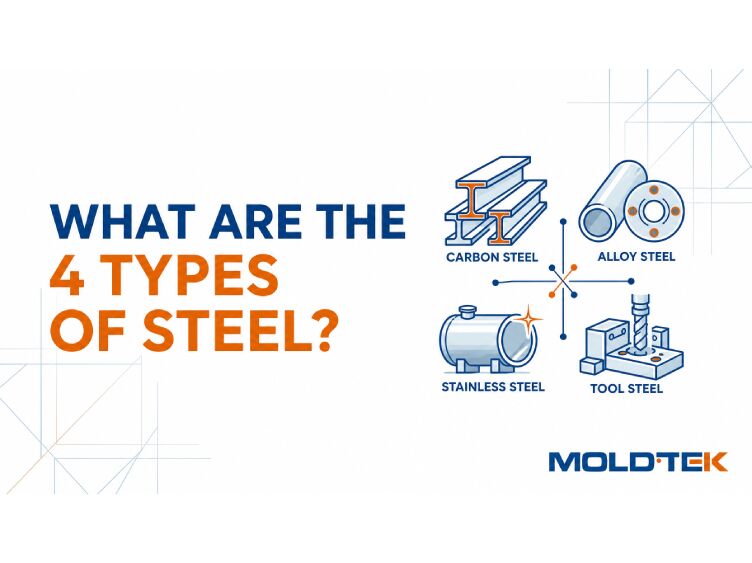
Steel is one of the most widely used engineering materials in the world due to its strength, versatility, and adaptability. Modern steel production processes create a wide range of grades suited for structural, industrial, and manufacturing applications. It is used across construction, manufacturing, automotive, infrastructure, utilities, and industrial sectors. Although steel is available in many grades and compositions, it is commonly grouped into four primary types of steel based on carbon content and alloying elements: Carbon Steel, Alloy Steel, Stainless Steel, and Tool Steel.
Each category offers different mechanical properties, corrosion resistance, hardness, and fabrication characteristics. Selecting the right type of steel depends on the intended application, loading conditions, environmental exposure, and manufacturing requirements.
Why Steel Classification Matters
Not all steel performs the same way. Some types are better suited for structural strength, while others are designed for corrosion resistance, wear resistance, or heat tolerance.
Understanding steel classifications and material grading systems helps engineers and manufacturers:
- Select suitable materials for specific applications
- Improve structural performance and durability
- Optimize fabrication and machining processes
- Meet project specifications and industry standards
This is especially important in structural and industrial projects where material selection directly affects safety, lifecycle cost, and performance.
1. Carbon Steel
Carbon steel is the most commonly used category of steel. It primarily consists of iron and carbon, with relatively small amounts of other alloying elements. Its properties are strongly influenced by carbon concentration and overall chemical composition. The amount of carbon present significantly influences hardness, strength, and ductility.
Types of Carbon Steel
Low Carbon Steel
Low carbon steel, often referred to as mild steels, contains a small percentage of carbon, making it easier to form, weld, and machine. It offers good ductility and toughness.
Medium Carbon Steel
Medium carbon steel provides a balance between strength and ductility. It is stronger than low carbon steel while maintaining moderate machinability.
High Carbon Steel
High carbon steel contains higher carbon content, resulting in increased hardness and strength but lower ductility.
Common Applications
Carbon steel is widely used in:
- Structural beams and columns
- Pipelines
- Automotive components
- General fabrication work
2. Alloy Steel
Alloy steel is produced by adding elements such as manganese, nickel, chromium, molybdenum, or copper to carbon steel. These additional alloys are used to enhance specific mechanical and chemical properties.
Key Characteristics
Depending on composition, alloy steel can provide:
- Higher strength
- Better wear resistance
- Improved toughness
- Enhanced hardenability
- Greater resistance to certain environments
Common Applications
Because alloy steels are used in demanding applications, they may require different types of steel detailing depending on member thickness, weldability, and fabrication requirements:
- Gears and shafts
- Pressure piping systems
- Automotive parts
- Structural and heavy-duty machinery components
3. Stainless Steel
Stainless steel contains chromium, typically above 10%, which forms a protective oxide layer on the surface. Many stainless steels include nickel or molybdenum to further improve corrosion resistance and durability. This layer provides excellent corrosion resistance and makes stainless steel suitable for demanding environments.
Common Stainless Steel Categories
Austenitic Stainless Steel
Known for corrosion resistance, good formability, and generally non-magnetic properties.
Ferritic Stainless Steel
Offers magnetic properties and moderate corrosion resistance.
Martensitic Stainless Steel
Provides higher strength and hardness and is often used where wear resistance is required.
Common Applications
Stainless steel is widely used in:
- Food processing equipment
- Medical devices
- Kitchen appliances
- Chemical processing systems
- Water and utility piping
4. Tool Steel
Tool steel is engineered for high hardness, abrasion resistance, and the ability to retain strength at high temperatures. Many tool steel grades are also heat resistant, making them suitable for cutting and forming applications. It contains alloying elements such as tungsten, vanadium, molybdenum, or cobalt.
Common Types
Examples include:
- Water-hardening grades
- Air-hardening grades
- Oil-hardening grades
- High-speed steel (HSS)
Common Applications
Tool steel is used in:
- Drill bits
- Cutting tools
- Dies and molds
- Shear blades
- Industrial forming equipment
Comparison of the Four Types of Steel
| Steel Type | Main Benefit | Typical Use |
| Carbon Steel | Strength and affordability | Structures, beams, pipelines |
| Alloy Steel | Enhanced mechanical properties | Gears, machinery, shafts |
| Stainless Steel | Corrosion resistance | Hygienic and chemical environments |
| Tool Steel | Hardness and wear resistance | Cutting and forming tools |
Engineering Design Perspective
From an engineering standpoint, selecting the correct steel type is essential for structural safety, fabrication efficiency, and long-term durability. Factors such as load capacity, corrosion exposure, weldability, temperature, and maintenance requirements must be considered during material selection.
At Moldtek Engineering, engineering workflows for structural and industrial projects involve aligning material specifications with design intent, fabrication methods, and service conditions. This is especially relevant in structural steel detailing services, where member sizes, connection details, and fabrication documentation depend on accurate steel grade selection.
For multidisciplinary projects, steel type selection also affects coordination with civil, mechanical, and utility systems.
Why Understanding Steel Types Is Important
Knowing the four main types of steel helps project teams make better engineering and procurement decisions. Material selection also influences structural steel estimating, as steel grade, weight, and fabrication complexity directly affect project cost planning.:
- Improve structural performance
- Reduce maintenance needs
- Increase service life
- Support manufacturing efficiency
- Ensure compliance with project specifications
Using an unsuitable steel type may lead to premature wear, corrosion, fabrication issues, or higher lifecycle costs.
Conclusion
The four main types of steel are Carbon Steel, Alloy Steel, Stainless Steel, and Tool Steel. Each offers different properties that make it suitable for specific structural, industrial, or manufacturing applications.
Understanding these categories helps engineers, fabricators, and project stakeholders choose materials that meet strength, durability, corrosion resistance, and performance requirements across a wide range of projects.
This article explains the four main types of steel: carbon steel, alloy steel, stainless steel, and tool steel. It outlines their chemical composition, key properties, grading systems, and common applications across structural, industrial, and manufacturing sectors. The content also highlights how material selection influences strength, corrosion resistance, heat performance, and fabrication efficiency.

About the Author
By Abhishek Suresh
Deputy Manager – Marketing at Moldtek Technologies
A distinction holder in MSc International Management from Trinity College Dublin and a semi-qualified Chartered Accountant (CA – IPCC from India) with an undergraduate degree in the field of accountancy and finance. I am currently working at Moldtek Technologies Ltd as a Deputy Manager, Marketing, taking care of the entire marketing activities of the business.